
Our Custom Woodworking Process
A custom wood project moves from an initial conversation toward a defined design, crafted piece or feature, finish, and completed project. The exact steps for J. Collier Design Studio still require client confirmation.
How the Custom Woodworking Process Works
01
Initial Project Consultation
Start by explaining the custom wood project you are considering. Useful context can include the type of piece or woodwork, where it belongs, what you want it to do, and the visual direction you have in mind.
02
Design Direction
Custom furniture, bespoke woodwork, cabinetry, built-ins, architectural woodwork, and specialty projects all require a clear understanding of the intended result. This stage should define the relevant wood design direction and project requirements before craftsmanship begins.
03
Craftsmanship
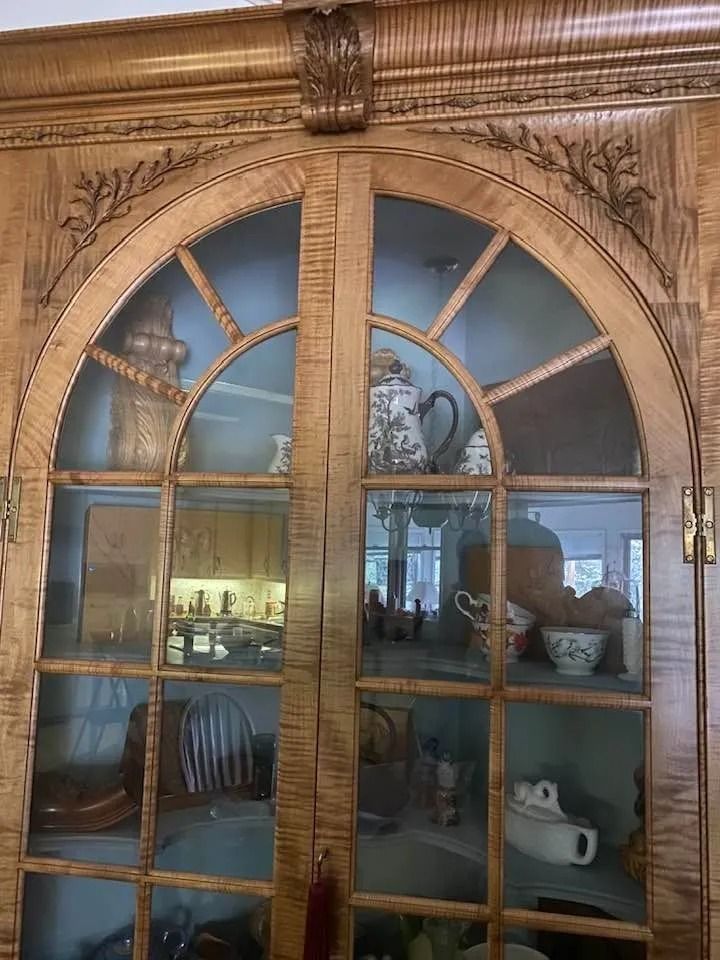
Once the project is defined, the woodworking phase transforms the approved concept into a handcrafted piece or feature. Each made-to-order project is shaped around the client’s needs, with careful attention to form, proportion, and design details to create a finished piece that reflects the original vision.
04
Staining and Finishing
Depending on the project, finishing services may include wood staining, color matching, furniture finishing, lacquering, or varnishing. Each finish is selected to suit the piece’s design, desired appearance, and project requirements.
05
Project Completion
Every piece is handcrafted and made to order, so we finish by reviewing the completed work with you to make sure it fits your space and your vision. We’ll talk through the handoff details and any care questions along the way.
A Clearer Conversation Around Custom Work
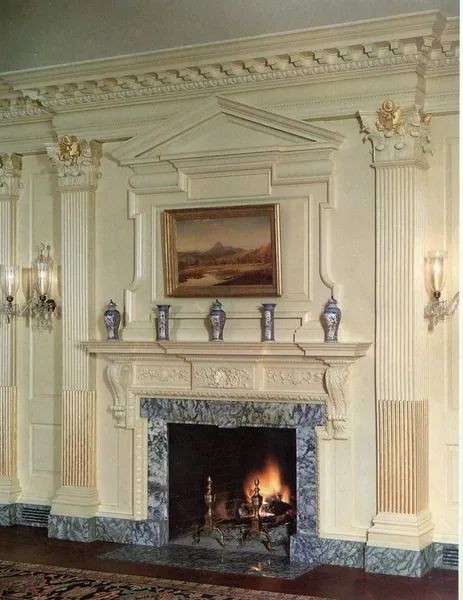
Custom woodworking benefits from clarity because the project is being considered for a particular client, piece, or space. Defining the purpose and design direction early can help everyone discuss the same intended result. Material, finish, and dimensional decisions can then be tied to that project rather than treated as generic choices.
The process is also a useful way to separate confirmed decisions from ideas that are still being explored. A client may begin with inspiration rather than a complete specification. The consultation and design stages create space to turn that inspiration into a project definition before fabrication and finishing are described.
For restoration or refinishing work, the sequence may differ from a new custom build. The condition of an existing piece can influence what needs to be discussed first. The studio should confirm whether it wants a separate workflow for those services before the process is presented as universal.
Begin with a Project Consultation
You do not need to have every design decision settled before reaching out. Start with the project you have in mind and the details you already know.